The City of London Tour: From Roman Londinium to the Modern Square Mile
Most visitors to London don’t realise there are actually two Londons. There’s London — the sprawling capital city of nine million people that stretches from Heathrow in the west to the Thames Barrier in the east. And then there’s the City of London. Capital C. A tiny, self-governing square mile right in the centre with its own mayor, its own police force and its own set of rules that date back to 1067.
This is where it all started.
When the Romans invaded Britain in AD 43, they needed a crossing point on the Thames. They found one roughly where London Bridge stands today, and on the north bank they built Londinium — a trading settlement that would grow into one of the largest cities in the Roman Empire. The walls they built around it defined the boundaries of what we now call the City of London. Walk those boundaries today and you’re tracing a line the Romans drew nearly two thousand years ago.
What’s left of Roman London?
More than you’d think. Chunks of the Roman wall survive in several spots — there’s a particularly good stretch near Tower Hill tube station, another section built into the basement of a Travelodge on Noble Street (nobody ever believes that until they see it), and fragments along London Wall road, which is literally named after the thing it was built on top of.
The Roman amphitheatre is under Guildhall Yard. It was only discovered in 1988 during building works and you can visit the remains for free in the basement of the Guildhall Art Gallery. The outline of the arena is marked on the surface of the yard above in a curve of dark stone. Most people walk right over it without noticing.
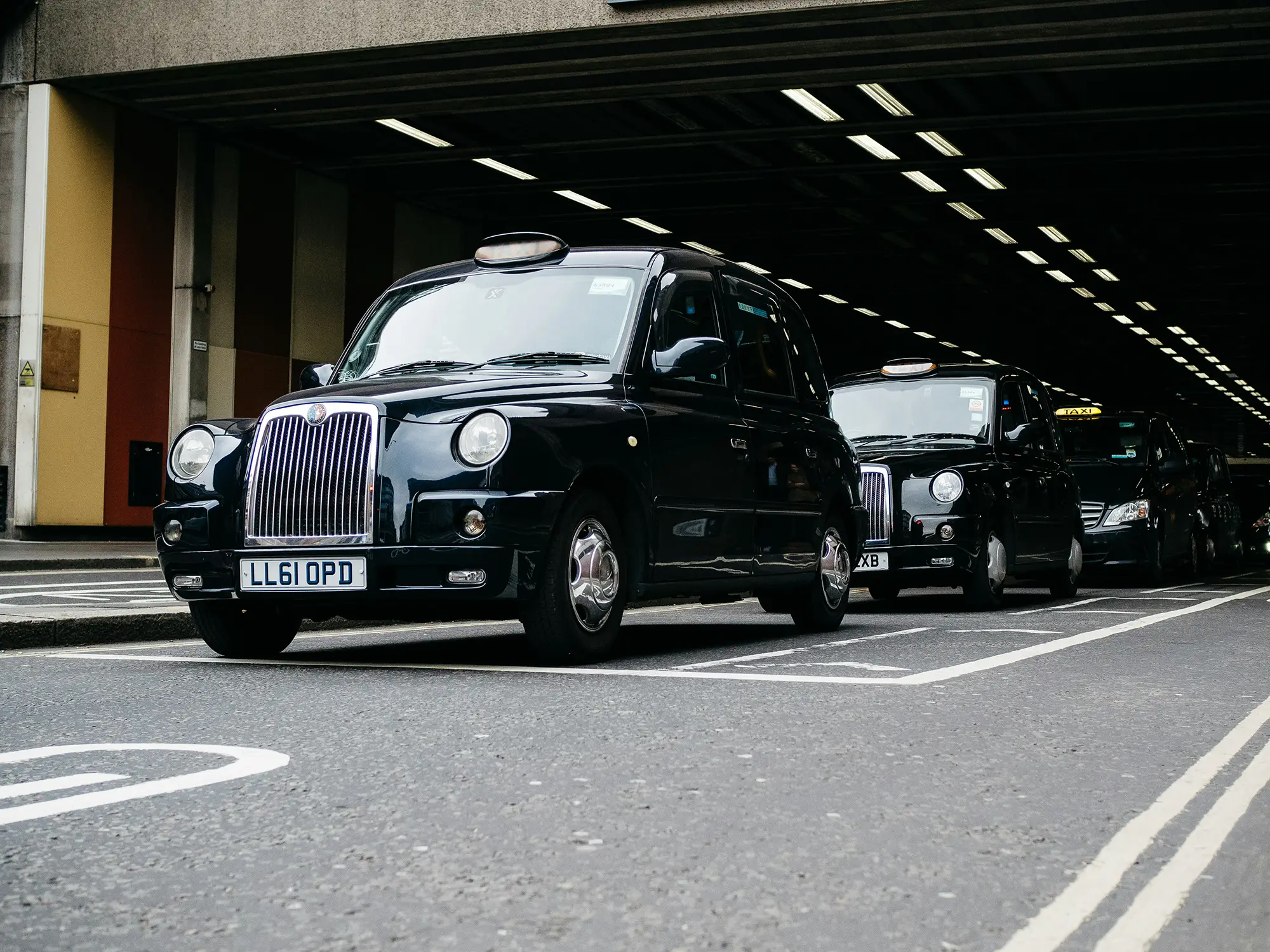
Our drivers point all of this out. That’s the advantage of seeing the City from a black cab with someone who actually knows what they’re looking at. On foot you’d walk past most of these sites without a second glance. From the cab, your driver spots them, pulls over and tells you the story.
The Great Fire and what came after
On 2 September 1666, a fire broke out in a bakery on Pudding Lane. It burned for four days. By the time it was over, 13,200 houses, 87 parish churches and the old St Paul’s Cathedral had been destroyed. The medieval city was essentially gone.
What replaced it was largely the work of one man: Sir Christopher Wren. He rebuilt 51 of those 87 churches. He built the new St Paul’s Cathedral — the one that still dominates the skyline today, with its dome that was the tallest structure in London from 1710 until 1962. He redesigned the Monument to the Great Fire, a 62-metre column on the exact spot where the blaze started. If you laid the Monument on its side, it would reach from its base to the bakery on Pudding Lane. That’s deliberate. Wren loved a good detail.
Many of Wren’s churches survive. Some are tucked behind modern office blocks, others sit on tiny medieval street plans that make no sense in a modern city. St Mary-le-Bow on Cheapside is the one with the famous Bow Bells — tradition says you have to be born within earshot of them to be a true Cockney. The problem is that the bells haven’t been properly audible beyond about three miles since the area got so noisy, so the pool of genuine Cockneys has been shrinking for a century.

St Paul’s Cathedral
Wren’s masterpiece. It took 35 years to build and Wren lived long enough to see it finished — he was 78 when the final stone was placed in 1710. The dome is actually three domes nested inside each other: an outer dome that you see from outside, an inner dome that you see from inside, and a hidden brick cone between them that carries the weight of the lantern on top. Clever engineering disguised as architecture.
During the Blitz, St Paul’s became a symbol of London’s survival. The famous photograph from 29 December 1940 — the dome rising above smoke and flames — is one of the most reproduced images of the Second World War. Volunteer fire watchers stationed on the roof saved the cathedral from incendiary bombs that night, stamping out fires before they could take hold. The buildings around it weren’t so lucky. The area was flattened.
Today St Paul’s sits in a strange contrast with its surroundings. Immediately to the south is the Millennium Bridge — Norman Foster’s wobbling pedestrian crossing to Tate Modern. To the north, the narrow streets still follow medieval layouts. To the east, the glass towers of the financial district loom over everything. Stand in the right spot and you can see the 17th century, the 21st century and everything in between, all in one view.
The Financial City
The Square Mile is the financial heart of not just London but much of the world. The Bank of England has been here since 1694. The London Stock Exchange has been operating in various buildings since the coffee houses of the 1690s, where traders would gather to buy and sell shares over drinks. Lloyd’s of London started in Edward Lloyd’s coffee house in Tower Street in 1688 — it was a place where ship owners and merchants would meet to arrange insurance on their cargoes.
Walk through the City on a weekday and it’s packed with suits and lanyards. Come back on a Saturday and it’s a ghost town. The residential population is tiny — around 9,000 people actually live here, in a space that hosts over 500,000 workers during the week. It’s the most extreme commuter district in Britain.
The modern skyline is a scrapbook of nicknames. The Gherkin (30 St Mary Axe), the Cheesegrater (the Leadenhall Building), the Walkie-Talkie (20 Fenchurch Street — the one that famously melted a car with reflected sunlight during construction), the Scalpel, and just over the border in Southwark, the Shard. Londoners love giving their buildings rude names. It’s a tradition that goes back centuries.
Hidden corners most people miss
The City is riddled with alleys, courtyards and passageways that don’t appear on most maps. Pickering Place, off St James’s Street, is said to be the last place in London where a duel was fought. Postman’s Park near St Bartholomew’s Hospital contains the Memorial to Heroic Self-Sacrifice — a wall of ceramic tiles recording the names and stories of ordinary people who died saving others. A girl who died pushing friends out of the way of a runaway horse. A man who drowned trying to rescue a stranger from the Serpentine in November.
There’s a tiny garden at St Dunstan-in-the-East — a bombed-out Wren church that was never rebuilt. Instead, it was turned into a green space in 1970. Trees and climbing plants grow through the empty windows and up the surviving walls. It feels more like a ruin in the countryside than something in the middle of a financial district. Most tourists have no idea it exists.
Leadenhall Market is another one. A beautiful covered Victorian market that’s been a trading site since the 14th century. It also happens to be one of the filming locations for Diagon Alley in the Harry Potter films — the optician’s shop at the Bull’s Head Passage entrance doubled as the entrance to the Leaky Cauldron. On our City Highlights tour, your driver will take you right past it and tell you which scenes were filmed where.
Two thousand years in four hours
That’s what this tour really is. A drive through two millennia of history, from Roman walls to glass towers, through plague, fire, war and rebuilding. The City of London has been destroyed and rebuilt so many times that the layers of history sit on top of each other like geological strata. Dig down a few metres anywhere in the Square Mile and you’ll hit something Roman.
The difference between seeing this from a bus and seeing it from a black cab is simple: we stop. We pull over. Your driver gets out, points at a seemingly ordinary wall and explains that it was built by Romans in the second century. Or that the pub on the corner sits on the site of a medieval monastery. Or that the alley you’re about to walk down was the only street in the area to survive the Great Fire.
You can’t get that from an open-top bus doing 20 miles an hour through traffic.
Book the Big 5 London Tour — 4 hours, £299 per cab for up to 6 guests. Pickup from your hotel, cruise terminal or airport.
Latest Tour News & Facts
London At Night: The Best Landmarks to See After Dark
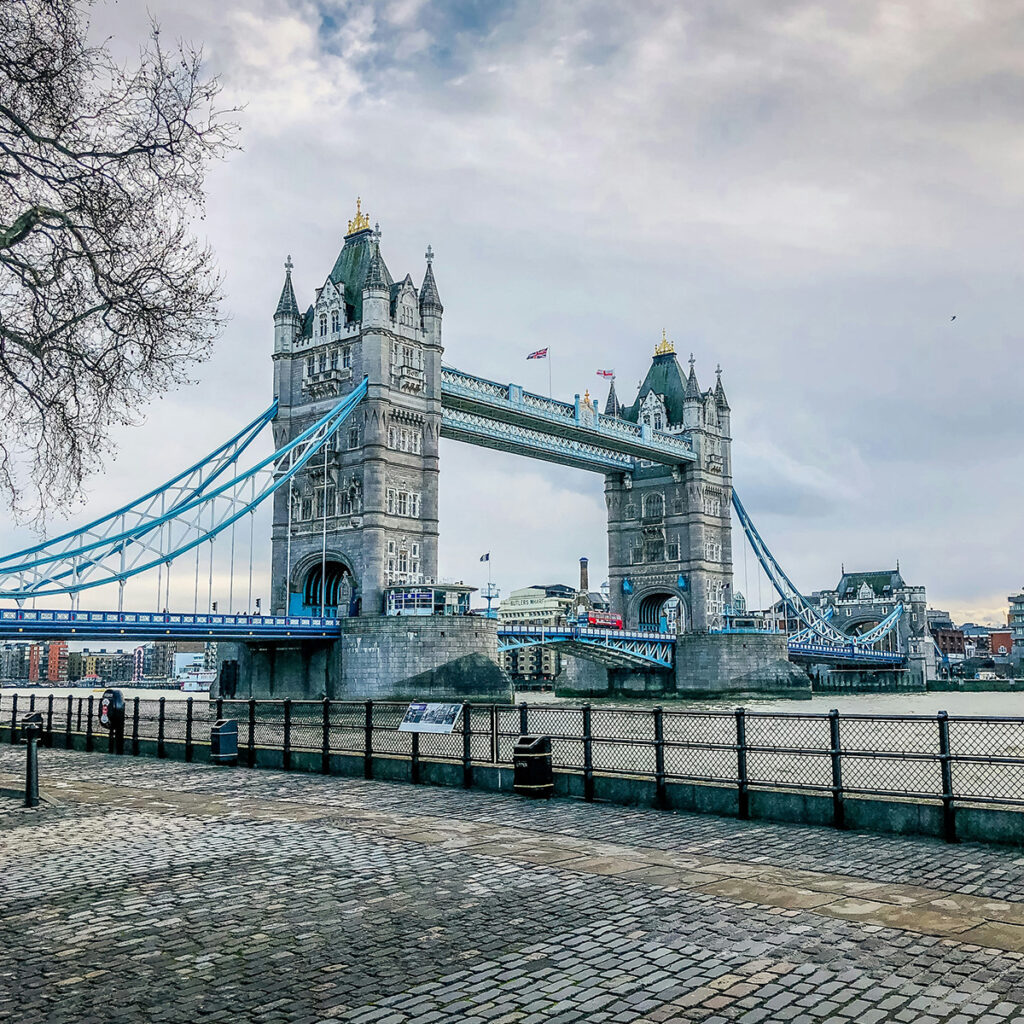
London With Kids: A Family-Friendly Sightseeing Guide
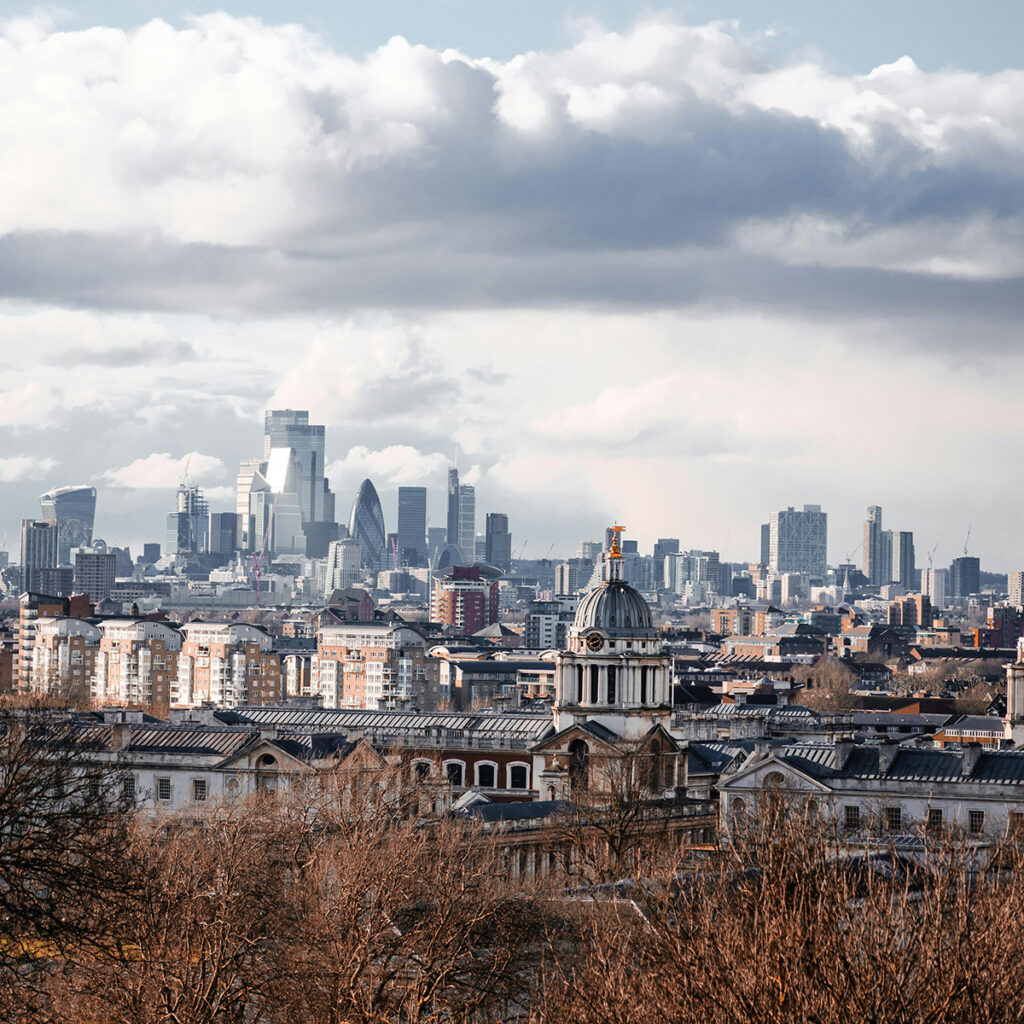
What Makes London Cabbies the Best Tour Guides in the World
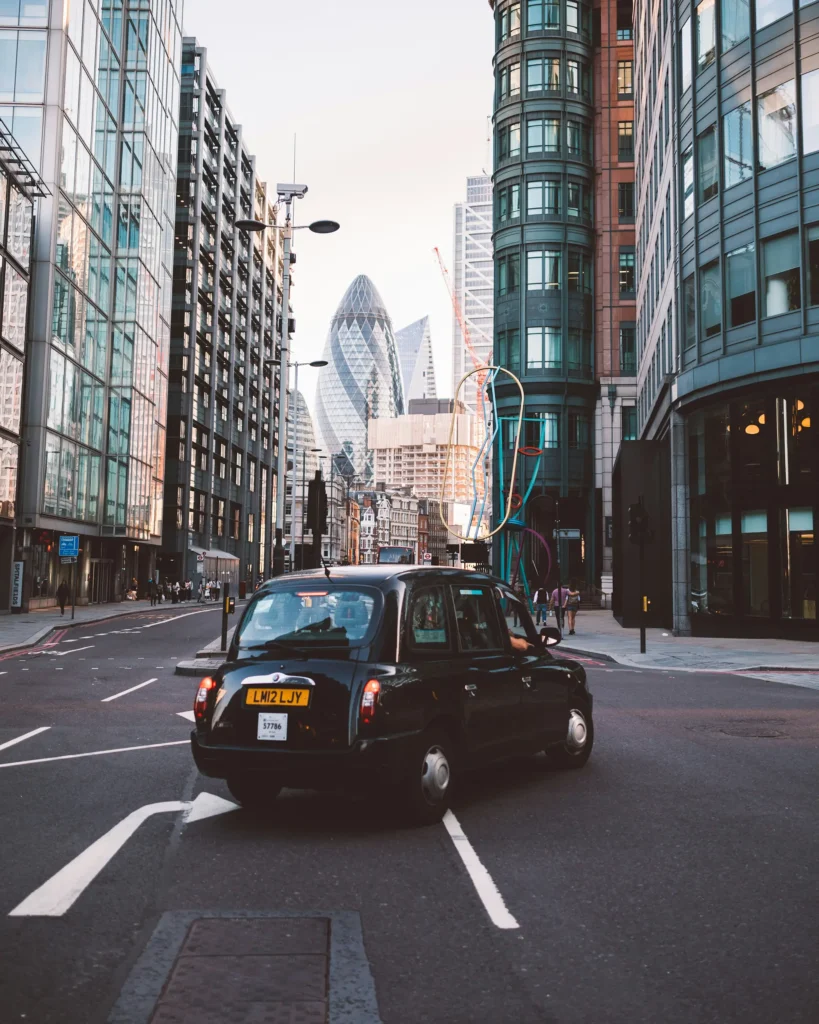
A Wheelchair-Friendly Sightseeing Guide
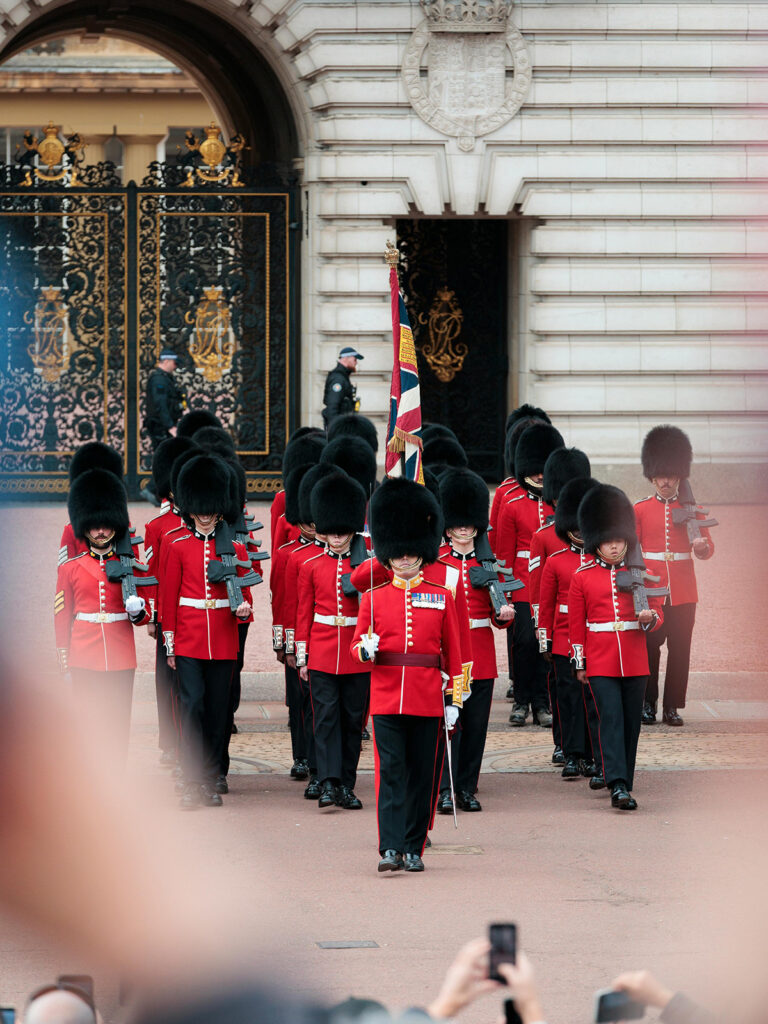
Changing of the Guard: Insider Tips
Ready to see London the way it was meant to be seen? Jump in a classic black cab and let our expert cabbies take you on the tour of a lifetime. Private tours, historic landmarks, and memories you'll never forget.
Also available on Viator • GetYourGuide • TripAdvisor