First Time in London? Here's What to See, Do and Skip
Right. You’re coming to London for the first time. You’ve probably already looked at a dozen “Top 50 Things to Do in London” lists and come away more confused than when you started. Every list is twenty items too long and half the suggestions are sponsored content for escape rooms in Shoreditch.
This isn’t that. This is honest advice from people who drive around London every single day and see first-time visitors make the same mistakes over and over again. We want your trip to be brilliant. Here’s how to make that happen.
The number one mistake: trying to do too much
London is enormous. Really enormous. It’s not like Paris or Rome where the main sights cluster together in a walkable area. The distance from Buckingham Palace to the Tower of London is about three miles, which sounds manageable until you factor in the crowds, the traffic lights, the fact that you’ll want to stop every thirty seconds, and the reality that three miles on tired legs with jet lag feels like ten.
Most first-time visitors — particularly those coming from the US on a multi-city European trip — try to cram every major landmark into a single day. They rush from one thing to the next, barely see anything properly, and end up exhausted by 2pm. Then they spend the rest of the afternoon arguing about whether to push on to Camden Market or collapse in a pub.
Don’t do this. Pick a few things. See them properly. Leave time for lunch. Leave time to get lost. Some of the best moments in London happen when you wander off the planned route and stumble into a quiet courtyard or a pub that’s been serving pints since the 1600s.
What you absolutely should see
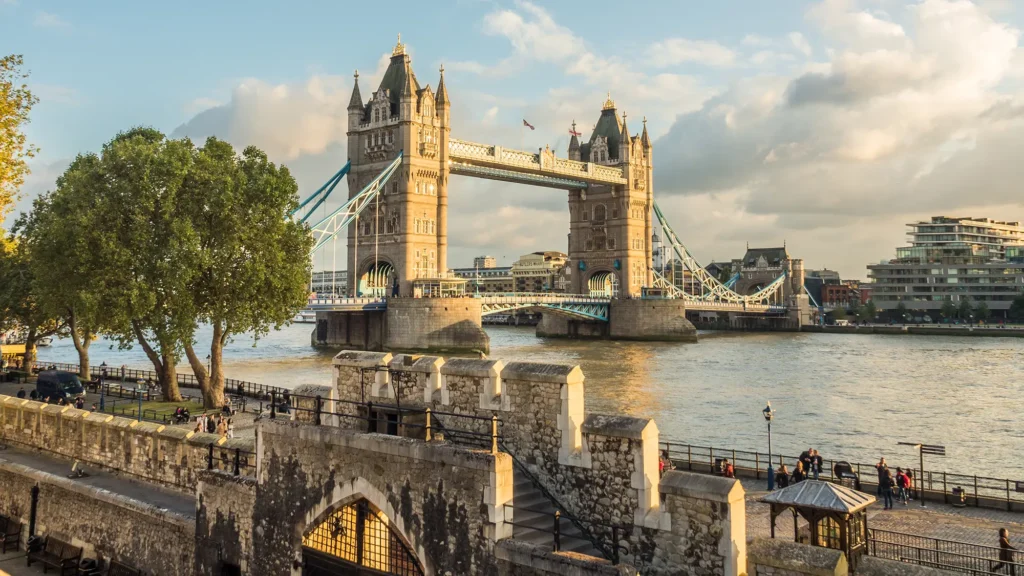
The Big 5. Buckingham Palace, Big Ben, the Houses of Parliament, the Tower of London and Tower Bridge. These aren’t tourist traps. They’re landmarks that have shaped world history and they look even better in real life than in photographs. If you see nothing else, see these.
Westminster Abbey is worth your time too, though the entry fee is steep (around £29 for adults at time of writing — check their website for current prices). Every English monarch since William the Conqueror has been crowned here. Seventeen monarchs are buried inside. So are Darwin, Newton, Dickens and Chaucer. It’s one of the most historically dense buildings on the planet.
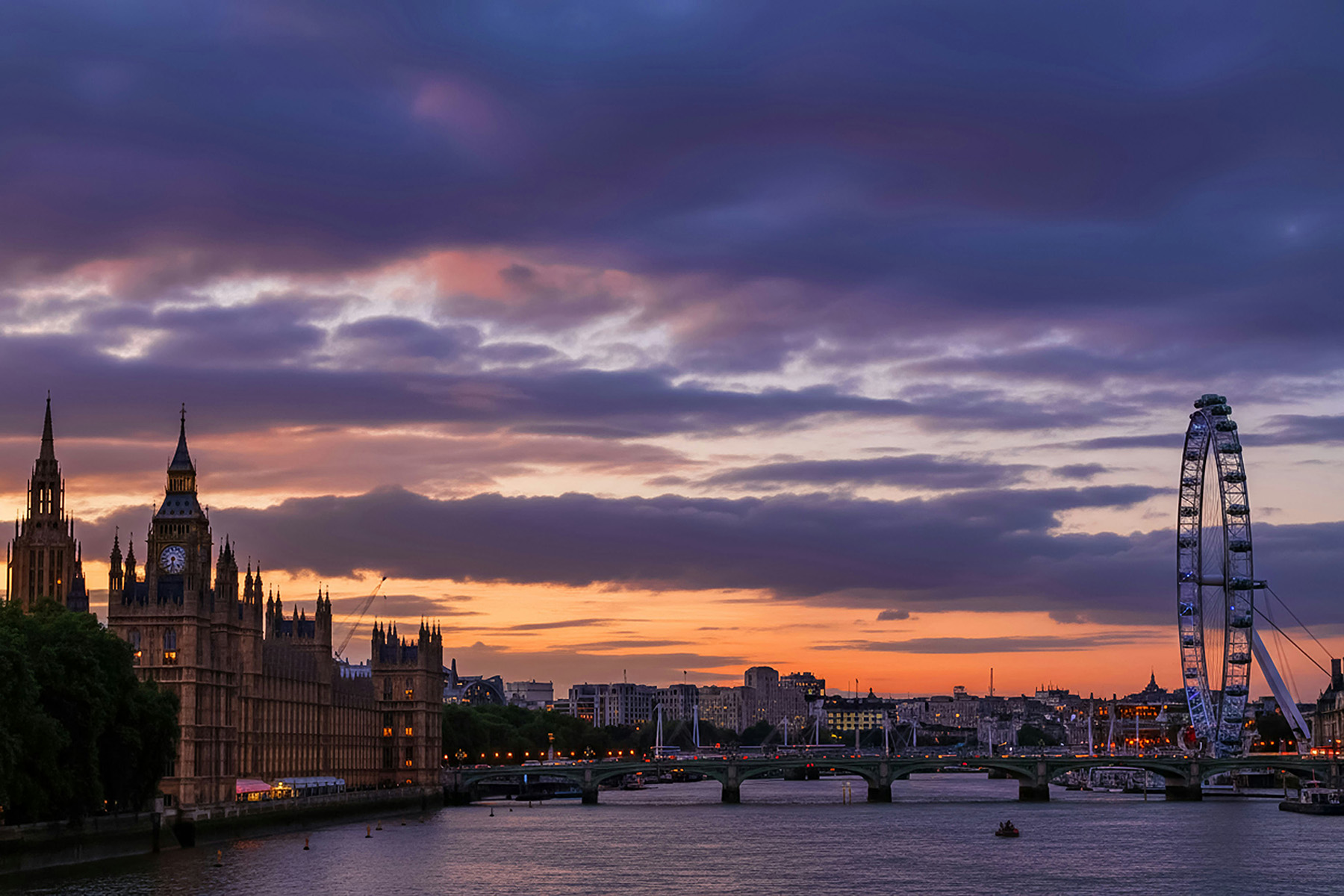
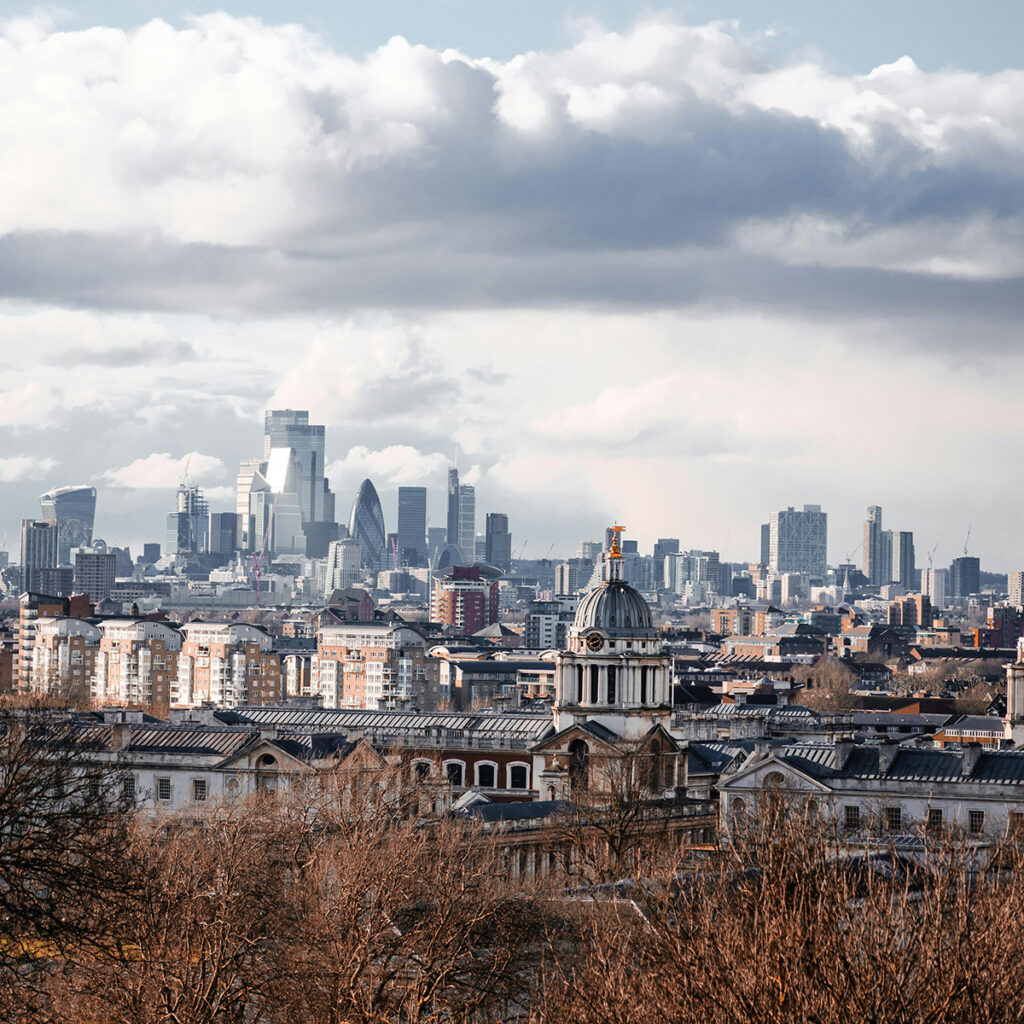
The South Bank of the Thames between Westminster Bridge and Tower Bridge is probably the best walk in London. You’ll pass the London Eye, the National Theatre, Tate Modern, Shakespeare’s Globe and Borough Market. On a clear day the views across to the City skyline and the Houses of Parliament are stunning. On a grey day — which is most days, let’s be honest — it still has real atmosphere.
If you’re into museums, London does them better than almost anywhere. The British Museum, the Natural History Museum, the V&A and the Science Museum are all free. Yes, free. No tricks, no catches. Walk in, look around, walk out. They’re world-class collections that would cost £30-40 admission in most other countries.

What you can safely skip
Madame Tussauds. Genuinely. It costs a fortune, the queues are horrendous, and you’re essentially paying £35 to stand next to wax figures that look about 60% like the person they’re supposed to be. Unless you’re travelling with children who are desperate to go, spend that time somewhere else.
The London Eye is a harder call. The views are good — really good on a clear day — but the queues can easily eat an hour of your trip, the tickets are expensive (around £30-35), and you can get equally impressive views from the Sky Garden at 20 Fenchurch Street for free. You do need to book a slot in advance, though.
Oxford Street for shopping. It’s heaving, it’s stressful, and most of the shops are the same chains you’ll find in any British high street. If you want proper London shopping, try Covent Garden, the boutiques around Seven Dials, or head south to Borough Market for food.
Getting around: the honest version
The Tube is brilliant once you get the hang of it, which takes about twenty minutes. Get an Oyster card or use contactless payment on your credit card (most American cards work fine now). Don’t stand on the left side of the escalator. Don’t try to talk to anyone at rush hour. Don’t get the Central Line in summer unless you enjoy the sensation of being slowly baked.
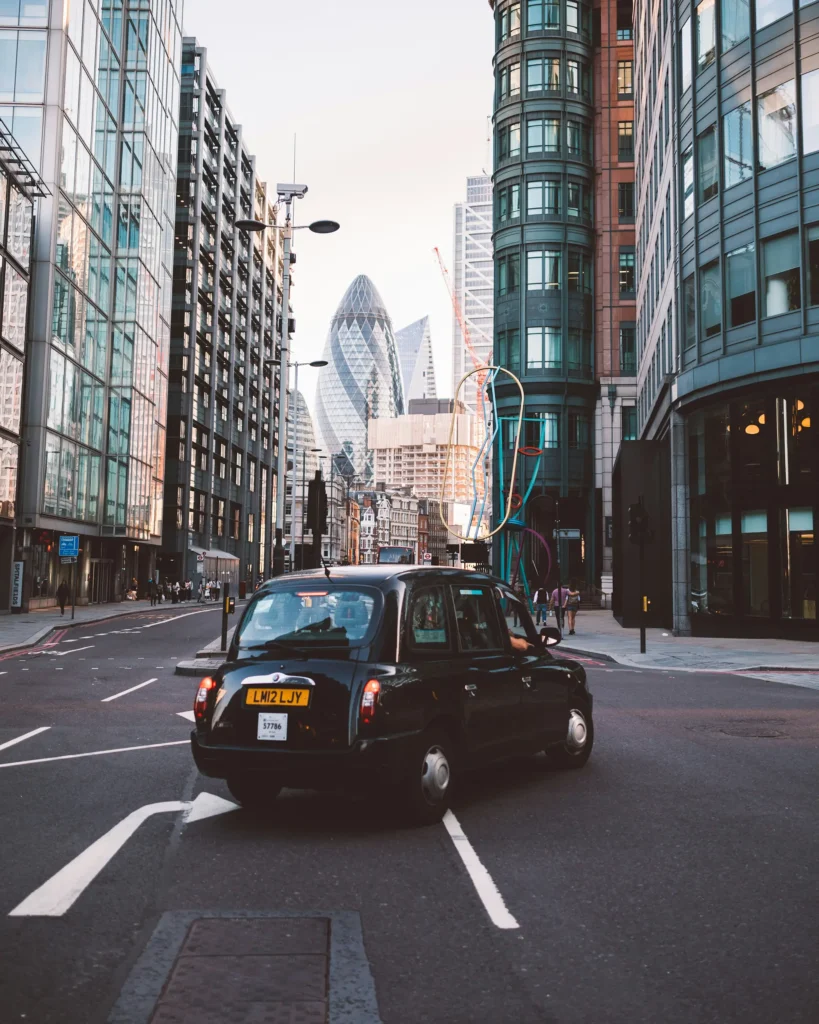
Black cabs are more expensive than the Tube but incomparably more comfortable, especially for groups. A cab from Buckingham Palace to the Tower of London costs roughly £15-20 on the meter depending on traffic. Split that between a family of four and it’s £5 each for a comfortable ride with no standing, no stairs and no map-reading. For groups of 4-6, a cab is often cheaper per person than the Tube.
Buses are great for sightseeing on the cheap. The number 11 bus from Liverpool Street to Fulham Broadway goes past St Paul’s, along Fleet Street, through the Strand, past Trafalgar Square, down Whitehall past Downing Street, past the Houses of Parliament and over Westminster Bridge. All for £1.75. But it takes ages. And you might not get a seat upstairs at the front, which is really the whole point.
Practical things nobody tells you
Tipping in London is nothing like the US. In restaurants, 10-12.5% is standard if service isn’t already included on the bill (check — many restaurants add it automatically). In pubs, you don’t tip at all. For taxis, rounding up to the nearest pound or adding 10% is perfectly fine. Nobody will judge you for not tipping your cabbie. We appreciate it when you do, mind.
The weather. It doesn’t rain as much as people think — London actually gets less annual rainfall than New York, Sydney or Rome. But it does drizzle a lot. Bring a light waterproof jacket, not an umbrella. Umbrellas are useless when the wind picks up, which is often. Layers are better than heavy coats. Even in summer, evenings can turn cool.
Pub culture is different here. Pubs close earlier than American bars — most stop serving between 11pm and midnight during the week. You order and pay at the bar, not at your table (though some places are shifting to table service these days). Buying a “round” means buying drinks for everyone in your group, and others will buy the next round in return. Don’t try to opt out of the round system. It’s a social contract.
Sunday is different. Many shops don’t open until 11 or 12 and close by 5 or 6. That’s the law, not just preference — large shops in England are restricted to six hours of trading on Sundays. Plan accordingly.
Our honest recommendation for first-timers
If you’ve got three or four days, spend the first morning on a Big 5 tour. Seriously. Four hours in a black cab with a driver who knows every street, every story and every shortcut gives you an overview of the city that would take days to piece together on your own. You’ll get your bearings, see the major landmarks, learn the geography, and have a much better sense of what you want to go back and explore on foot for the rest of your trip.
Then use the remaining days to go deeper. Spend a morning in the British Museum. Walk the South Bank. Explore Borough Market. Wander through Greenwich. Take the Tube to Camden for something completely different. Get lost in the backstreets of Covent Garden.
London rewards people who slow down. Rush it and you’ll see a lot of things badly. Take your time and you’ll discover why people keep coming back year after year.
Book the Big 5 London Tour — the perfect first-day orientation. 4 hours, £299 per cab (up to 6 guests), hotel pickup included.

Latest Tour News & Facts
London At Night: The Best Landmarks to See After Dark
London With Kids: A Family-Friendly Sightseeing Guide
What Makes London Cabbies the Best Tour Guides in the World
A Wheelchair-Friendly Sightseeing Guide
Changing of the Guard: Insider Tips
Ready to see London the way it was meant to be seen? Jump in a classic black cab and let our expert cabbies take you on the tour of a lifetime. Private tours, historic landmarks, and memories you'll never forget.
Also available on Viator • GetYourGuide • TripAdvisor