Harry Potter Filming Locations in London: The Complete Guide
J.K. Rowling didn’t just set the wizarding world in Britain. She wove it into the real streets, buildings and landmarks of London so tightly that you can walk past locations from the films every day without knowing it. The entrance to the Ministry of Magic? A real street. The Leaky Cauldron? A real pub facade. Diagon Alley? A real Victorian market.
London is riddled with Harry Potter. And once you know where to look, you start seeing it everywhere.
King’s Cross Station — Platform 9¾
The obvious one first. In the books, Platform 9¾ is accessed by running at the brick barrier between platforms 9 and 10 at King’s Cross station. In reality, platforms 9 and 10 at King’s Cross are in a fairly mundane part of the station and there’s no brick barrier between them — just a metal divider.
But the station leaned into it. There’s now a photo opportunity in the main concourse with a luggage trolley embedded halfway into a brick wall and a shop selling an alarming amount of Hogwarts merchandise next door. The queue for a photo can stretch to 30-40 minutes on busy days. Our advice: go early in the morning or skip the queue entirely and just take a photo of the installation from the side. Your driver can get you there before the crowds arrive, which makes a real difference.
The exterior of King’s Cross appeared in the films too — though they actually used the neighbouring St Pancras station’s Gothic facade for some exterior shots because it looked more dramatic. The two stations sit side by side. St Pancras is the red brick Gothic one designed by George Gilbert Scott. King’s Cross is the plainer yellow brick one next door. The film-makers clearly made the right call — St Pancras looks like it should have a magical platform hidden somewhere inside it.
Leadenhall Market — Diagon Alley
This is the one that genuinely surprises people. Leadenhall Market in the City of London is a covered Victorian market that’s been a trading site since the 14th century. The ornate painted ironwork, the cobbled floors and the narrow shops create exactly the kind of atmosphere the film-makers needed for Diagon Alley.
Specifically, the entrance to the Leaky Cauldron in “Harry Potter and the Philosopher’s Stone” was filmed at the blue door of an optician’s shop in Bull’s Head Passage. The scene where Hagrid leads Harry through London and into the wizarding world for the first time was shot right here, with the market standing in for the approach to Diagon Alley.
Outside of Harry Potter, Leadenhall Market is worth visiting anyway. It’s beautiful, it’s free to walk through, and there are decent restaurants and wine bars tucked into the arches. During the week it’s full of City workers on lunch breaks. At weekends it’s quieter and easier to photograph.

Australia House — Gringotts Bank
The marble-floored interior of the Australian High Commission on the Strand doubled as the entrance hall of Gringotts, the wizarding bank run by goblins. It’s a stunning building — completed in 1918 with massive marble columns, chandeliers and a floor polished to a mirror shine.
You can’t just walk in (it’s a working embassy), but the exterior is impressive and your driver can point out exactly which angles were used in the film. On certain open days you can visit the interior — check the Australian High Commission’s website for details.
Lambeth Bridge — the Knight Bus
Remember the scene in “Harry Potter and the Prisoner of Azkaban” where Harry flags down the Knight Bus and it squeezes between two London double-deckers? That was filmed on Lambeth Bridge, the red bridge that crosses the Thames a few hundred metres south of the Houses of Parliament.
It’s a short detour on the way between Westminster and the South Bank, and your driver will take you across it. The bridge also gives you a cracking view of the Houses of Parliament from an angle that most tourists miss — looking north along the river with Big Ben framed perfectly.
Millennium Bridge — the Death Eaters’ attack
The opening scene of “Harry Potter and the Half-Blood Prince” shows Death Eaters attacking London and destroying the Millennium Bridge — the pedestrian bridge between St Paul’s Cathedral and Tate Modern. In the film, it twists, collapses and drops screaming Muggles into the Thames.
In reality, the bridge is still very much standing, though it did wobble alarmingly when it first opened in 2000 — earning it the nickname the “Wobbly Bridge.” The wobble was caused by the synchronised footsteps of thousands of pedestrians creating a lateral resonance that the engineers hadn’t anticipated. It was closed for two years while dampers were fitted. Now it’s perfectly stable, but the nickname stuck.
Piccadilly Circus and other locations
The films used London extensively as a backdrop. Piccadilly Circus appears in “Deathly Hallows Part 1” when Harry, Ron and Hermione flee the wedding and apparate into the West End, landing in the middle of traffic on Shaftesbury Avenue. The cafe where the trio are attacked by Death Eaters was filmed at a real location on Tottenham Court Road.
Grimmauld Place — the Black family home used as the Order of the Phoenix headquarters — was filmed at Claremont Square in Islington. It’s a quiet residential square with Georgian townhouses. The film-makers added number 12 digitally between the real numbers 11 and 13.
The reptile house scene in “Philosopher’s Stone,” where Harry speaks Parseltongue to a snake and accidentally sets it free, was filmed at London Zoo in Regent’s Park. The actual reptile house is still there, though it’s been refurbished since the film was made.
Borough Market, St Paul’s and the Thames
Borough Market doesn’t appear in the films directly, but it’s under the railway arches near London Bridge — right in the heart of the area used for various exterior London scenes. And it’s one of the best food markets in London, so it makes a natural lunch stop on a Harry Potter tour.
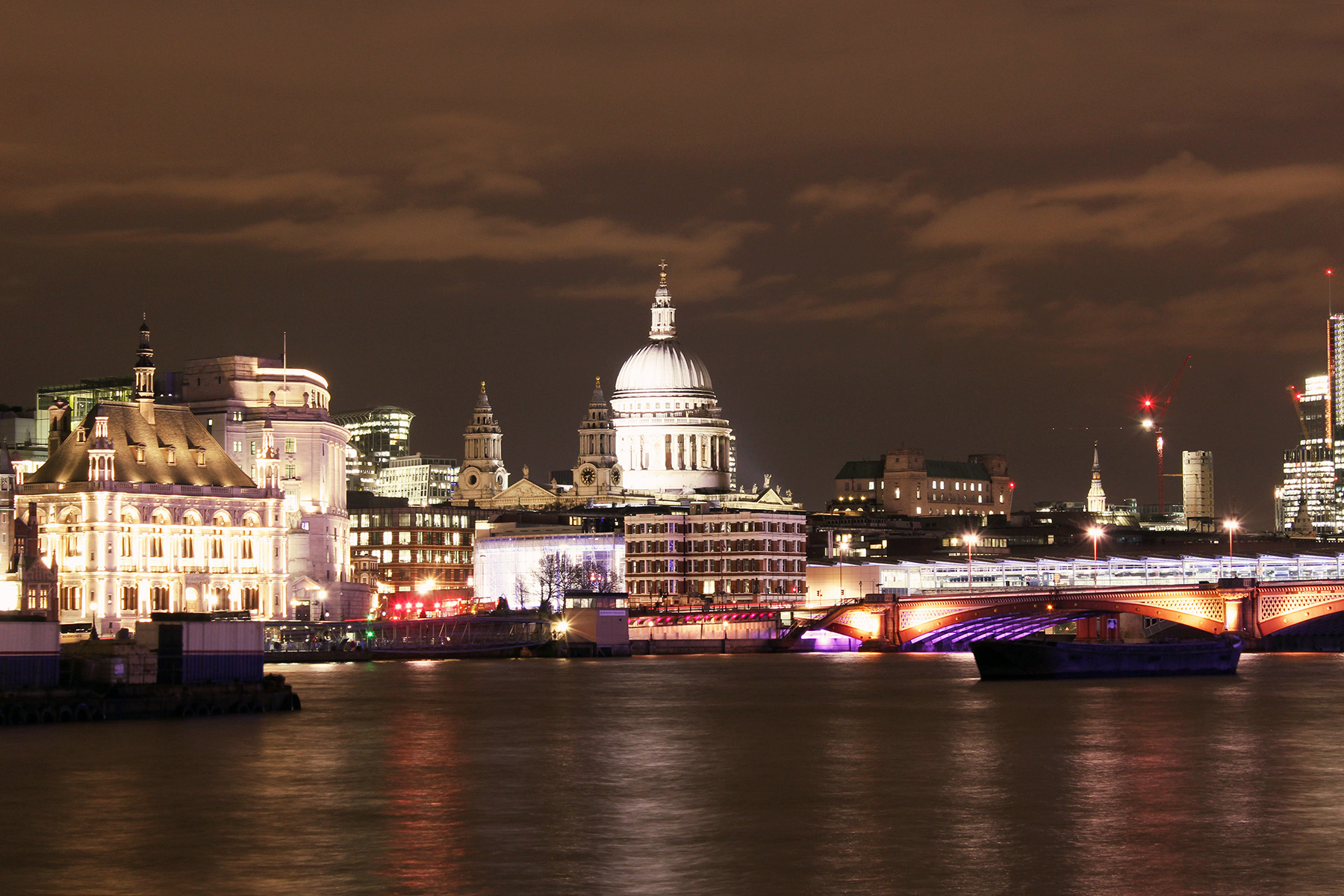
St Paul’s Cathedral features in several establishing shots of London in the later films. The view from the South Bank across the river to St Paul’s — with the Millennium Bridge in the foreground — is one of the most recognisable London panoramas in the series.
Why these five together?
If you’re a serious Potter fan, London has layers that go beyond the filming locations. King’s Cross station is where J.K. Rowling’s parents met. The café in Edinburgh where she wrote much of the first book is well documented, but London was where she finished the series and where she’s lived for years.
The Palace Theatre on Shaftesbury Avenue is home to “Harry Potter and the Cursed Child” — the stage play that continues the story. It opened in 2016 and is still running. Tickets sell out months in advance, but it’s worth trying. The theatre itself, built in 1891, looks suitably magical from the outside.
And then there’s the Warner Bros. Studio Tour at Leavesden, about 20 miles northwest of London. It’s where most of the interior filming was done, and you can walk through the actual Great Hall, Dumbledore’s office and Diagon Alley sets. It’s a separate trip — most people spend 3-4 hours there — but your cab driver can take you if you’ve got the time.
Book the Harry Potter London Tour — 4 hours, £299 per cab, up to 6 guests. All major filming locations, with a driver who knows which scenes were filmed where.

Latest Tour News & Facts
London At Night: The Best Landmarks to See After Dark
London With Kids: A Family-Friendly Sightseeing Guide
What Makes London Cabbies the Best Tour Guides in the World
A Wheelchair-Friendly Sightseeing Guide
Changing of the Guard: Insider Tips
Ready to see London the way it was meant to be seen? Jump in a classic black cab and let our expert cabbies take you on the tour of a lifetime. Private tours, historic landmarks, and memories you'll never forget.
Also available on Viator • GetYourGuide • TripAdvisor