Accessible London: A Wheelchair-Friendly Sightseeing Guide
Let’s be straight about something: London is not the easiest city to navigate in a wheelchair. Parts of it are fantastic. Other parts are a nightmare. The Tube is a 160-year-old system with stations built long before anyone thought about step-free access. The pavements in historic areas are uneven, narrow and often cobbled. Road crossings can be poorly placed. And the sheer volume of pedestrian traffic means that even wide pavements get crowded fast.
But here’s the thing — London is getting better, and there are ways to see the city brilliantly if you plan ahead. We take wheelchair users on tours every week, and the feedback we get most often is: “This was the first city tour where accessibility wasn’t a problem.” That matters to us.
Why black cabs work for wheelchair users
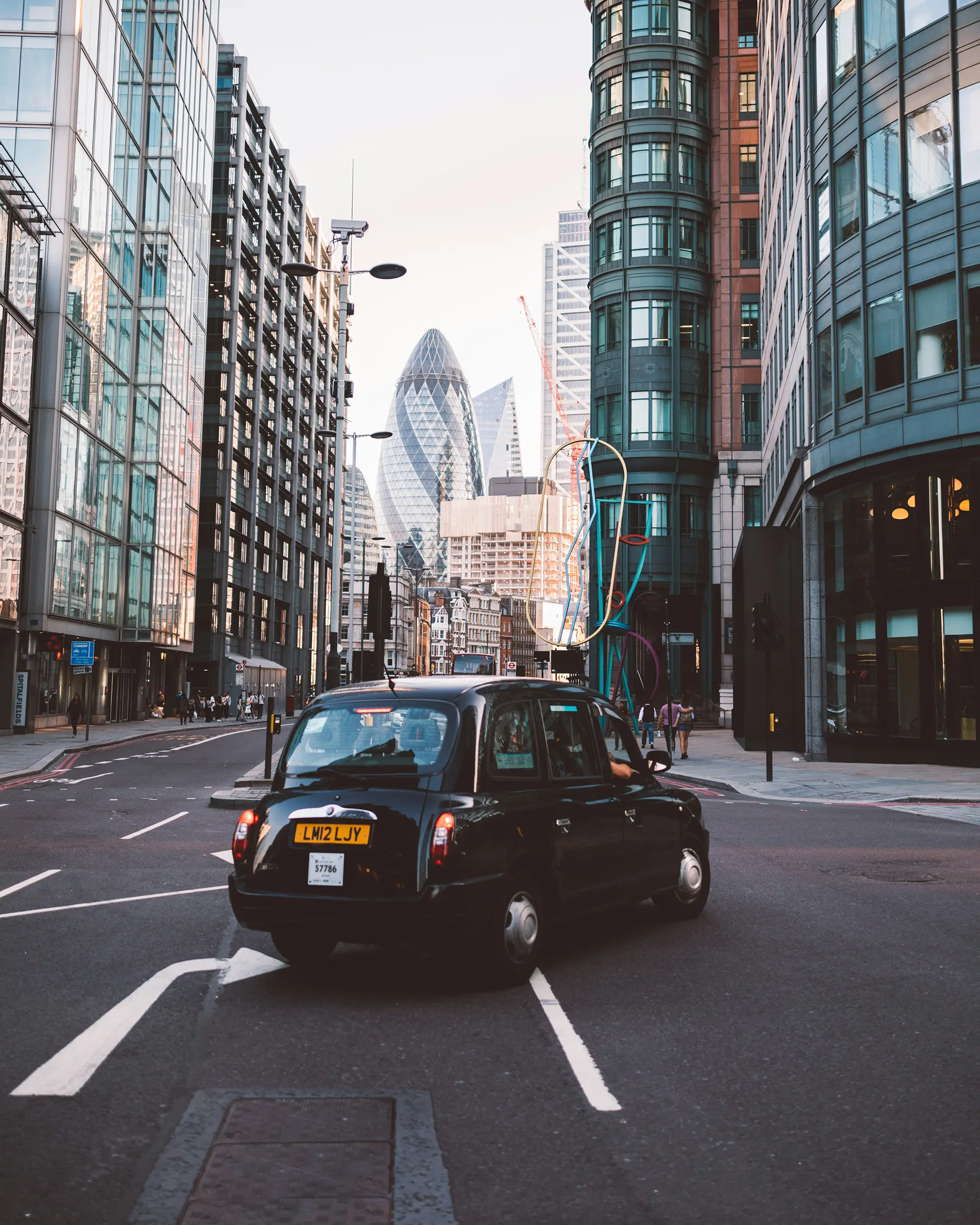
Every licensed London black cab is wheelchair accessible. Not some of them. Not the ones you have to book in advance. All of them. It’s been a legal requirement since 2000 and it’s one of the things that makes London’s taxi fleet genuinely unusual by global standards.
Each cab has a built-in ramp that folds out from the floor to the kerb. The interior has a dedicated wheelchair space with a clamp to secure the chair during the journey. The rear doors are wide enough for a standard wheelchair to pass through without folding. And the cabs are tall — there’s headroom that you won’t find in a regular saloon car.
No advance booking for wheelchair access is needed. No special vehicles. No waiting for the “accessible one” to become available. Every cab in our fleet has the ramp and the space because that’s how London black cabs are built. Your driver deploys the ramp, helps position the wheelchair, secures it, and off you go. The whole process takes less than two minutes.
What this means for sightseeing
Think about the alternatives. A walking tour is obviously difficult in a wheelchair, especially over London’s varied surfaces. Open-top bus tours involve climbing steep stairs to the upper deck — the lower deck views are limited and you’re at street level behind other traffic. Boat tours on the Thames are generally accessible but only show you the riverside — you miss everything inland.
A black cab tour gives you the complete city. Your driver takes you right up to each landmark. When you want to get out and explore on foot (or on wheels), they pull over in the closest accessible spot, deploy the ramp and wait. When you’re done, they’re right there. No long walks across car parks, no navigating flights of stairs, no working out whether the nearest station has a lift.
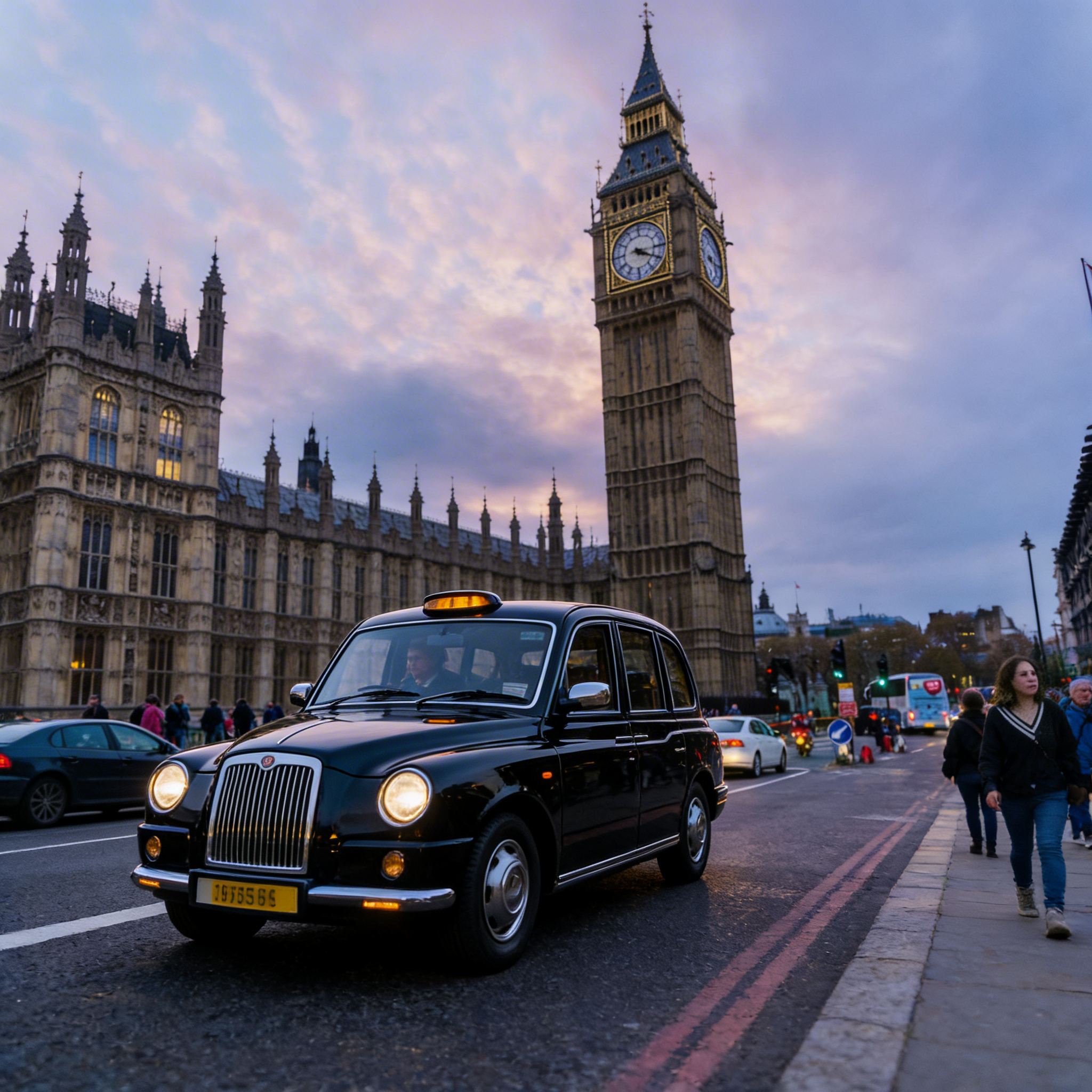
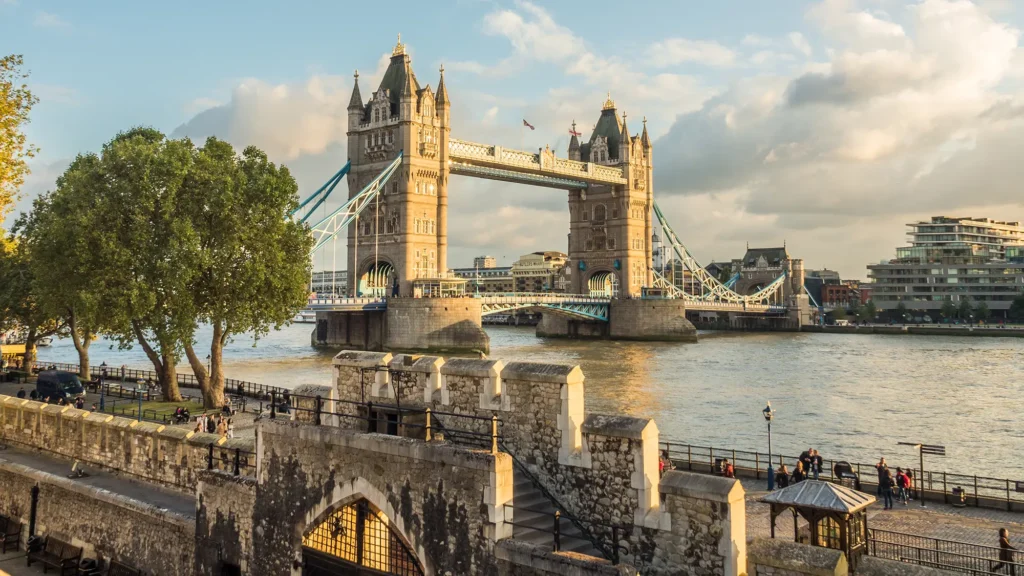
On our Big 5 tour, every stop is accessible. The area around Buckingham Palace and the Victoria Memorial is flat and paved. The Houses of Parliament and Big Ben can be viewed from broad, level pavements on Westminster Bridge and the Embankment. The Tower of London has step-free routes through most of the complex (though some of the towers themselves have stairs — we’ll cover that below). Tower Bridge has lifts to the high-level walkways.
Landmark-by-landmark accessibility
Buckingham Palace and St James’s Park: The forecourt area is paved and flat. The Victoria Memorial has some steps but you can get good views from ground level. St James’s Park has paved paths throughout and is one of the most wheelchair-friendly green spaces in London. The Changing of the Guard can be watched from wheelchair level, though you’ll need to arrive early for a front-row position — once the crowd builds, sightlines become an issue.
Houses of Parliament and Westminster: The pavements along the Thames here are wide, flat and recently resurfaced. Westminster Bridge has gentle gradients and a smooth surface. You can get right up to the railings for photos of Big Ben with no barriers.
Tower of London: The outer grounds are largely accessible and there are ramps to many of the main areas. The White Tower has a virtual tour option for those who can’t manage the stairs inside. The Crown Jewels exhibition is fully accessible — it’s on the ground floor with a moving walkway. Some of the smaller towers (like the Bloody Tower) have narrow spiral staircases that are not wheelchair accessible. The Tower staff are helpful and accustomed to visitors with mobility requirements.
Tower Bridge: Fully accessible. There are lifts to the high-level walkways and the glass floor viewing areas. The Victorian engine rooms are also accessible via lift. The bridge itself is flat for crossing on the road level.
South Bank: The Queen’s Walk along the Thames from Westminster Bridge to Tower Bridge is one of the best wheelchair routes in London. It’s flat, wide, paved and has regular dropped kerbs and accessible toilets along the way. Borough Market is more challenging — the cobbles and crowds make it difficult at peak times — but midweek mornings are quieter.
The Tube — what to know
The London Underground has about 80 step-free stations out of 270. That’s improving, but it still means most stations involve stairs or escalators. The step-free stations are marked on the Tube map with a blue wheelchair symbol. The Jubilee line, DLR and Elizabeth line are the best for accessibility — they were built or upgraded more recently.
But honestly, if you’re visiting London for a few days and using a wheelchair, the Tube is probably not your best option for sightseeing. The distances between platforms, the gap between train and platform edge (the famous “mind the gap” exists for a reason), and the crowds all make it stressful. Buses are better — all London buses are wheelchair accessible with a dedicated space and a ramp. But they’re slow.
A cab gives you door-to-door service without any of those hassles. That’s not a sales pitch. It’s just the reality of London’s transport infrastructure.
Accessible restaurants and toilets
This is the unglamorous side of travel planning that makes a real difference. London has a Changing Places scheme with fully accessible toilets (including hoists and adult-sized changing benches) at various locations across the city. The Changing Places website has a map showing all locations. National Rail stations, major museums and shopping centres tend to have them.
Restaurant accessibility varies enormously. Chain restaurants are generally good — they’ve been built or refitted to comply with the Equality Act. Independent restaurants in older buildings can be hit or miss. Basements are common in London (many restaurants are below street level) and not all have lifts. Our drivers know which restaurants near each tour stop are genuinely accessible and which ones say they are but involve a “small step” that turns out to be five.
What our guests have told us
We’ve taken guests with a huge range of mobility requirements on our tours. Manual wheelchairs, powered wheelchairs, mobility scooters (the smaller ones fit, though we’d ask you to let us know the dimensions when booking), walking frames and crutches. The most common piece of feedback is how relieved people are that the accessibility just works. No special arrangements, no apologetic staff explaining that the ramp is broken, no being separated from the rest of their group.
One family told us their grandmother hadn’t been on a city tour in fifteen years because she’d had too many bad experiences with “accessible” options that turned out not to be. She did the Big 5 with us and saw all five landmarks. That’s what it should be like everywhere. It’s certainly what it’s like with us.
Book an accessible London tour — every cab in our fleet has a built-in wheelchair ramp as standard. Big 5 tour, 4 hours, £299 per cab, up to 6 guests.

Latest Tour News & Facts
London At Night: The Best Landmarks to See After Dark
London With Kids: A Family-Friendly Sightseeing Guide
What Makes London Cabbies the Best Tour Guides in the World
A Wheelchair-Friendly Sightseeing Guide
Changing of the Guard: Insider Tips
Ready to see London the way it was meant to be seen? Jump in a classic black cab and let our expert cabbies take you on the tour of a lifetime. Private tours, historic landmarks, and memories you'll never forget.
Also available on Viator • GetYourGuide • TripAdvisor